
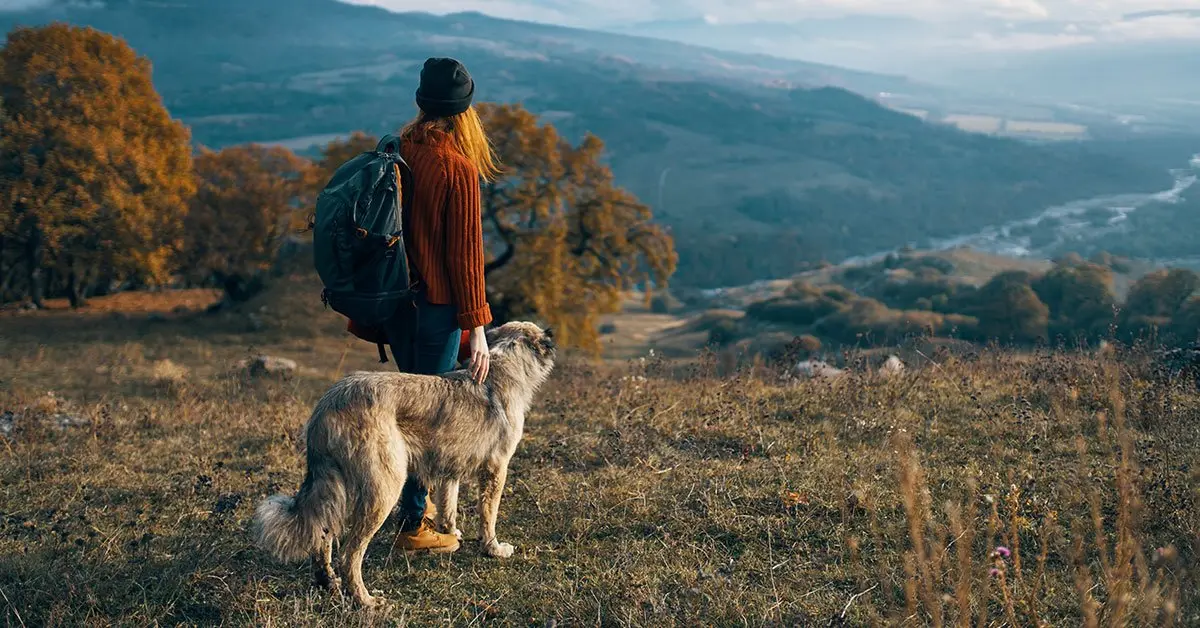
After spending long winter months cooped up indoors, nothing beats heading into the fresh air and lush backcountry trails of the Pacific Northwest. For dog owners, sharing the trail with a four-legged companion makes outdoor adventures even more rewarding.
However, hiking with your dog requires thorough preparation. Just because your pup can comfortably keep up during a 20-minute neighborhood jog does not mean they have the cardiovascular endurance or paw pad toughness required for rocky ascents and steep switchbacks. Dogs also encounter unique trail hazards—such as sharp terrain, stinging insects, and contaminated water sources—that require vigilance.
At Safe Journey Dog Boarding, keeping pets healthy, active, and physically stimulated is the heart of our supervised doggie daycare and social cage-free dog boarding programs.
Here is your comprehensive guide to selecting dog-friendly routes, packing the right gear, and keeping your pup safe from trailhead to summit.
1. Choosing Dog-Friendly Trails and Reviewing Regulations
Before loading your gear into the car, always verify whether dogs are legally permitted on your planned route:
- National Parks vs. National Forests: Most U.S. National Parks prohibit dogs on unpaved trails to protect fragile wildlife habitats and sensitive ecosystems. In contrast, U.S. National Forests and BLM (Bureau of Land Management) lands generally welcome dogs, though leash restrictions vary.
- Trail Difficulty Ratings: If your dog is new to hiking, choose a well-graded beginner trail with moderate elevation gain and shaded canopy cover. Avoid boulder scrambles, scree fields, or narrow ridge walks where a sudden slip could cause serious orthopaedic injury.
- Trail Surface: Dirt, pine needles, and packed gravel are gentle on paws, whereas sharp basalt rock, granite slabs, and hot summer asphalt can wear down or tear sensitive pads within hours.
2. Physical Conditioning: Building Trail Stamina
Just like human athletes, dogs must build cardiovascular conditioning, joint stability, and muscle endurance gradually.
- Start with Short Day Hikes: Begin with 2-to-3-mile hikes on gentle terrain, gradually extending distance as your dog shows enthusiasm and recovers quickly.
- Conditioning for Canine Packs: If you plan on having your dog carry their own supplies, introduce a dog backpack empty around your neighborhood first. Slowly add small amounts of weight over several weeks. A healthy adult dog should never carry more than 10% to 15% of their total body weight.
- Protecting Vulnerable Dogs: Puppies whose growth plates have not fully closed (typically under 12 to 18 months) and senior dogs with arthritis should avoid high-mileage treks. If your companion requires controlled, low-impact exercise due to joint stiffness or chronic conditions, our specialty dog care program guarantees safe, monitored physical activity suited to their physical abilities.
Reviewing guidelines from the American Kennel Club (AKC) Hiking with Dogs Safety Guide will help you gauge whether your dog’s breed and fitness level match your chosen excursion.
3. Essential Gear Checklist for Hiking with Your Dog
Do not head deep into the backcountry without dedicated equipment for your companion. Pack these canine trail essentials:
- Hydration & Nutrition: Pack significantly more clean water than your dog drinks during a normal day at home, alongside lightweight collapsible silicone bowls. Bring high-protein snacks to refuel their energy during rest breaks.
- Ergonomic Harness & Sturdy Leash: Use a breathable, padded Y-shaped chest harness that won’t chafe under the armpits, paired with a non-retractable 6-foot nylon leash. Retractable leashes should never be used on trails, as thin cords easily snap or tangle around rocks and brush.
- Canine Booties: Protective rubberized or cordura dog boots are essential for jagged rocks, thorny trails, and hot summer gravel.
- Canine First-Aid Kit: Include tick-removal keys, self-adhering cohesive vet wrap, sterile gauze pads, antiseptic wash, styptic powder, tweezers, and liquid diphenhydramine (Benadryl) after verifying correct dosage with your veterinarian.
- Quick-Dry Towel & Coat: A lightweight microfiber towel helps clean off mud and dry damp coats before your dog gets back into the vehicle. Pack an insulated dog coat if you are hiking at high altitudes where temperatures drop abruptly.
- Safety Light & Scent Brush: Clip a rechargeable LED safety light to your dog’s collar for dusk hiking, and carry a small comb to quickly remove stinging nettles, burrs, or foxtails from their fur.
- Waste Bags (Poop Bags): Always carry biodegradable waste bags to pack out all pet waste.
4. Trail Etiquette and the “Leave No Trace” Rule
Responsible trail etiquette preserves access for all outdoor enthusiasts and protects local wildlife:
- Always Obey Leash Laws: Even if your dog has reliable voice recall, keeping them on a physical leash protects them from charging into stinging wasp nests, surprising mother bears, falling off steep bluffs, or running up to reactive on-leash dogs.
- Yielding on Narrow Paths: When passing other hikers, horseback riders, or mountain bikers, step to the downhill side of the trail, put your dog in a sit-stay, and wait for the other party to pass safely.
- Pack It In, Pack It Out: Dog feces contain non-native bacteria, nitrogen, and parasites (like Giardia) that pollute natural watersheds and disrupt native wildlife. Never leave filled poop bags along the trail to “pick up on the way back”—always pack them out in your pack.
5. Identifying and Managing Trail Hazards
Being aware of natural hazards allows you to act decisively if an emergency arises:
- Heat Exhaustion & Dehydration: Dogs cannot sweat through their skin—they rely entirely on panting. Heavy drooling, deep red gums, glazed eyes, and staggering are signs of life-threatening heatstroke. Move your dog to the shade immediately, wet their paws and belly with cool (never ice-cold) water, and discontinue the hike.
- Stagnant Water Pathogens: Never allow your dog to drink from stagnant puddles, marshy ponds, or algae-covered lakes. Stagnant wilderness water frequently harbors Giardia, Leptospirosis, and lethal blue-green algae (cyanobacteria). Carry sufficient potable tap water for both of you.
- Wildlife & Parasites: Keep your dog current on flea, tick, and heartworm preventatives. Thoroughly check their ears, paws, and underbelly for ticks immediately after returning to the trailhead.
Rest and Recovery: Professional Care Before and After Your Trip
A demanding weekend trek can leave your dog physically wiped out. If your schedule requires you to travel for trips where dogs cannot join, you don’t have to leave them feeling cooped up.
Our spacious overnight dog boarding suites provide full-service care, nutritious meals, and continuous comfort while you tackle backcountry summits. If your dog needs to rest and recover in the comfort of their familiar living room after an intense outdoor weekend, personalized dog sitting ensures they receive gentle, one-on-one attention while you are at work.
Hit the Trails with Confidence
Hiking with your dog is one of the most rewarding ways to celebrate the outdoors and strengthen your shared bond. By choosing routes suited to their fitness level, packing the right emergency supplies, and practicing courteous trail etiquette, every trek can be a safe, memorable adventure.
Have questions about our intake screening, daycare playgroups, or facility accommodations? Explore our FAQ page, learn how to get started with our team, or contact us today to make your pet’s reservation.