
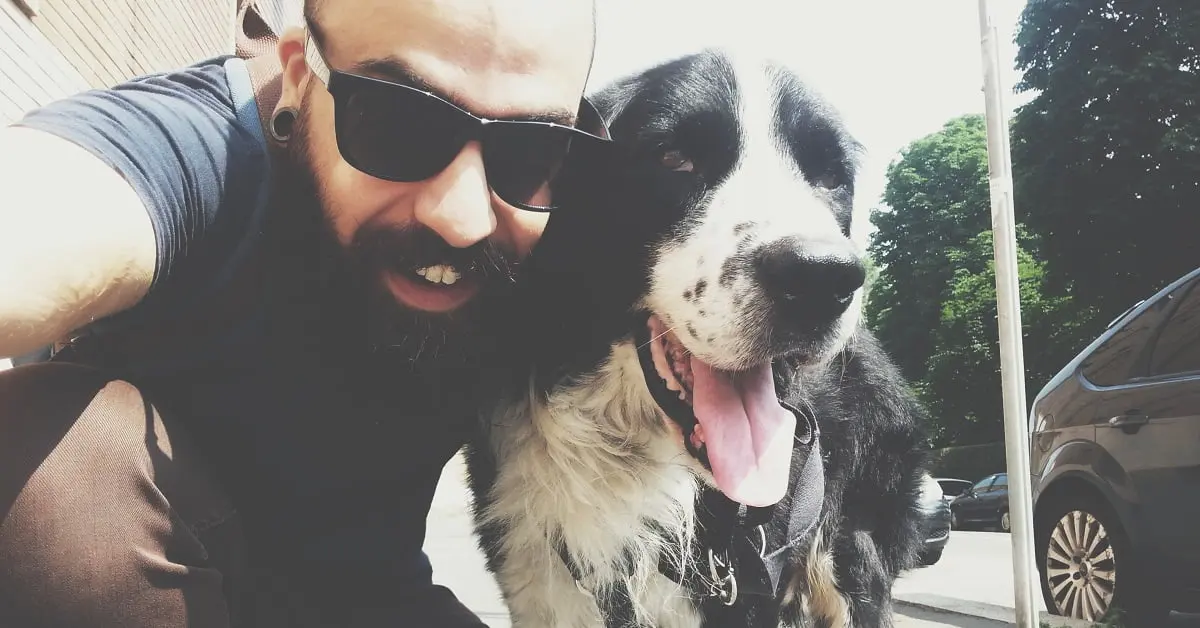
Your dog is your most loyal companion, so it is only natural that your smartphone’s camera roll is practically bursting with snapshots of them. Whether they are sleeping in a funny contorted pose, sprinting across a field, or tilting their head at a strange noise, our dogs give us countless picture-perfect moments every day.
Yet, capturing a truly stunning, crisp portrait of a dog is harder than it looks. Dogs are constantly in motion, easily distracted by passing birds, and rarely hold a pose when you point a lens at them. More often than not, an attempt at a majestic portrait ends up as a blurry streak across your screen.
Learning how to take amazing dog pictures does not require thousands of dollars in high-end photography gear. With a few fundamental techniques—such as utilizing natural light, adjusting your perspective, and using the right reward currency—you can capture vibrant, frame-worthy photos that showcase your companion’s unique personality.
At Safe Journey Dog Boarding, capturing our guests having fun is second nature. In our supervised doggie daycare and social cage-free dog boarding programs, we see dogs in their element every single day.
Here are six actionable pet photography tips to help you level up your photo game and capture incredible shots of your four-legged best friend.
1. Get Down to Your Dog’s Eye Level
The single most common mistake amateur pet photographers make is taking pictures from a standing human perspective—looking straight down at their dog. While this occasionally captures a cute “puppy-dog eyes” look, it flattens your dog’s proportions and creates an awkward top-down angle.
- Lie on the Floor: Drop down onto your stomach or squat low to bring your camera lens directly level with your dog’s eyes.
- Showcase Their World: Shooting from their eye level creates a sense of intimacy, emphasizes facial expressions, and draws the viewer directly into your dog’s perspective.
- Separate Subject from Background: Low-angle perspectives naturally create depth of field, blurring out background distractions like carpets or baseboards so your dog pops off the screen.
2. Master Natural Lighting (and Ditch the Flash)
Good lighting makes or breaks any photograph. When photographing animals, how you light your shot is especially critical:
- Embrace the “Golden Hour”: The best outdoor light occurs during early morning or late afternoon (the golden hour). Soft, angled sunlight illuminates your dog’s coat without creating harsh, unflattering shadows.
- Look for Open, Diffused Shade: If shooting outdoors midday, move your pup into the open shade of a tree or building canopy. Bright, direct midday sun causes squinting, bleached fur highlights, and dark eye sockets.
- Window Light for Indoors: Position your dog near a large, sunlit window with sheer curtains drawn back to let soft, indirect light illuminate their face.
- Never Use Direct Camera Flash: Built-in smartphone flashes startle dogs, create an unnatural glare, and trigger severe “green-eye” or “red-eye” reflections from canine retinas.
3. Keep the Focus Locked on the Eyes
In portrait photography, the eyes are the emotional anchor of the shot. If your dog’s nose is sharp but their eyes are blurry, the image will feel unfocused:
- Tap to Focus: On a smartphone, tap your screen directly on your dog’s eyes before hitting the shutter button.
- Catchlights Matter: Try to angle your dog toward a light source so you capture small white reflections (“catchlights”) in their eyes. This gives their gaze life, depth, and sparkle.
- Clean Your Lens First: Before any photoshoot, wipe your camera lens with a microfiber cloth. Pocket lint, fingerprints, and wet dog-nose smudges create hazy, low-contrast photos.
According to pet portrait guidelines from the American Kennel Club (AKC) Photography Guide, framing sharp focus around the eyes while utilizing burst mode is the most reliable way to freeze authentic canine micro-expressions.
4. Use the “Squeak, Snap, Treat” Technique
Getting a dog to look at the camera lens with alert, perked-up ears requires holding their interest without overstimulating them:
- Novel Sounds: Instead of repeatedly calling their name (which they quickly learn to tune out), make an unexpected sound—like a soft whistle, a gentle lip-smack, or a crinkling snack wrapper—held right beside your camera lens.
- The Squeak-and-Shoot Method: Hold a small squeaker toy behind your camera, give it one quick press to catch their attention, snap the shot the second their head turns and ears perk, and immediately reward them.
- One Hand Free for Hand Cues: Keep one hand free to signal familiar obedience cues like “Sit” or “Stay.”
- Patience Over Perfection: Never force your dog into a position or yell commands. If they feel stressed, their posture will become stiff, their ears will pin back, and their tongue will flick nervously. Keep sessions under 5 to 10 minutes and make it a fun game with plenty of treats.
5. Capture Dynamic Action with Burst Mode
Posed portraits are charming, but action shots—a dog leaping into the air for a frisbee, sprinting through grass, or splashing in a river—showcase true canine vitality:
- Continuous Burst Mode: Use your smartphone’s burst mode (holding the shutter button down) to fire off 10 to 20 frames per second as your dog sprints toward you. You can sort through the sequence later to find the single frame where all four paws are off the ground.
- Increase Shutter Speed: If using a digital camera, shoot in Shutter Priority (Tv/S) mode at 1/1000s or faster to freeze rapid movement without motion blur.
6. Clear Away Background Clutter
A stunning portrait can be completely ruined by a bright plastic laundry basket, open trash can, or telephone pole sticking out behind your dog’s head.
- Scan the Frame: Before pressing the shutter, take two seconds to look past your dog. Move clutter out of view or adjust your shooting angle slightly to create a clean, uncluttered backdrop.
- Use Portrait Mode Judiciously: Smartphone Portrait Mode applies digital background blur (bokeh), making your dog stand out beautifully. However, check wispy areas like ear fur or whiskers, which digital blur algorithms can occasionally smudge.
Frequently Asked Questions About Pet Photography
Do I need an expensive DSLR or mirrorless camera?
No. Modern smartphones possess remarkable sensor technology, optical stabilization, and advanced processing power. Technique, good lighting, and patience matter infinitely more than expensive glass and camera bodies.
What if my dog refuses to sit still?
Instead of forcing a static sit-stay, photograph your dog doing what they naturally love: gnawing on a chew toy, gazing out the living room window, or sniffing wildflowers in the yard. Candid, unposed moments often capture far more genuine personality than rigid poses.
Reliable, Loving Care While You Travel
Whether you are capturing memories in the backyard or hiking regional trails, spending active quality time with your companion creates an unbreakable bond. But when work shifts or vacation travel pull you away, finding a facility that treats your dog with that same level of care and attention is essential.
At Safe Journey Dog Boarding, our spacious, open-concept facility provides a true home-away-from-home. We offer climate-controlled overnight dog boarding suites where guests enjoy free-range socialization, daily play, and cozy rest.
If your companion is older, has mobility limitations, or requires scheduled medications, our specialty dog care program guarantees gentle, individualized oversight. For dogs that feel most relaxed in their own living room, personalized in-home dog sitting ensures their daily walking, feeding, and cuddle routines remain completely seamless.
Celebrate Your Dog’s Story Through the Lens
Learning how to take amazing dog pictures is all about having fun, observing your pet’s natural rhythms, and capturing their spirit in good light. Grab a handful of their favorite treats, get down on their level, and start creating memories you will cherish for a lifetime.
Have questions about our intake screening, daycare playgroups, or facility amenities? Visit our FAQ page, learn how to get started with an evaluation visit, or contact us today to make your pet’s reservation.