
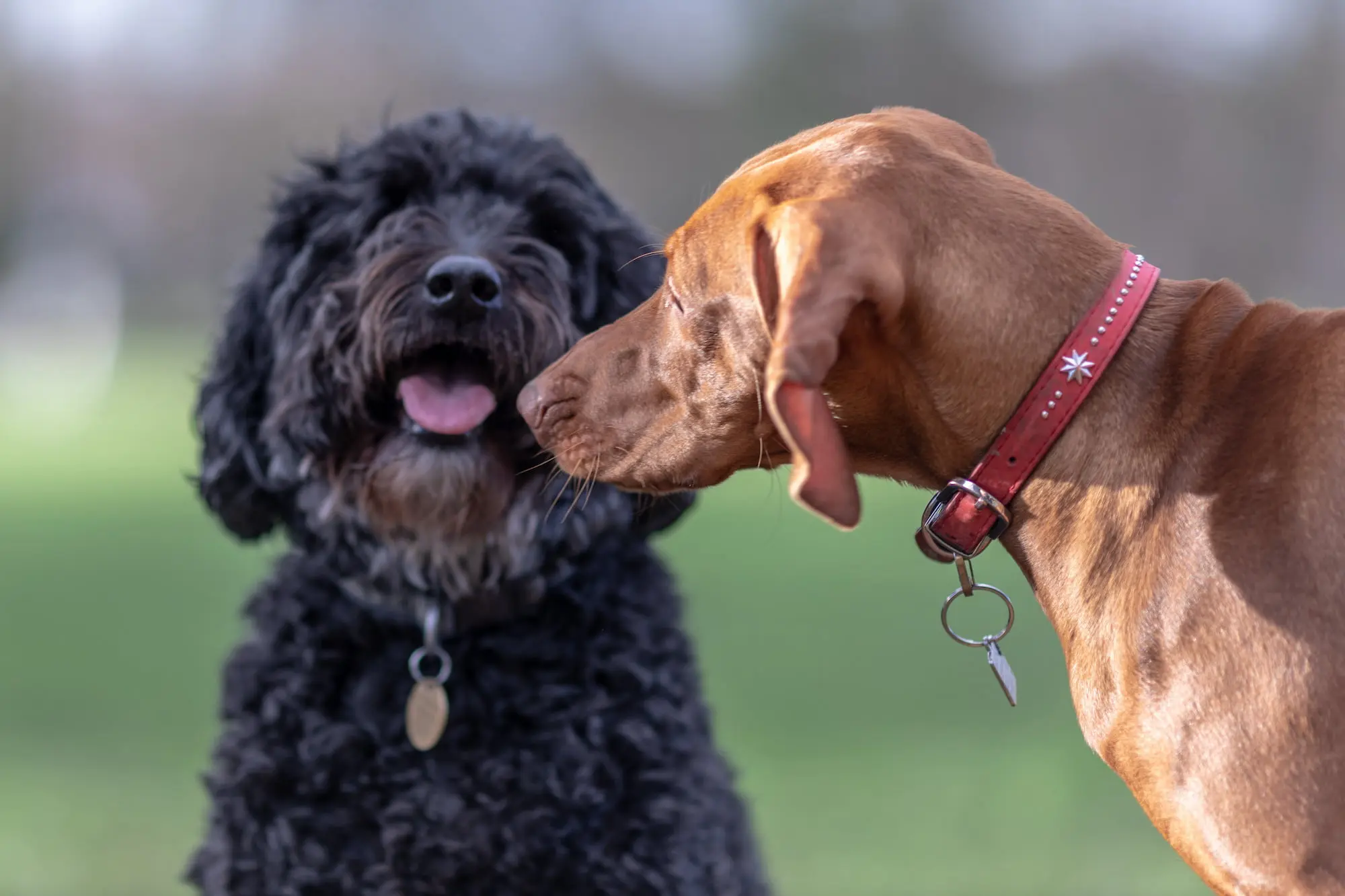
Every dog parent dreams of having a relaxed, happy, and confident companion—a dog that can stroll calmly down busy neighborhood sidewalks, greet visitors with polite curiosity, and nap peacefully while you dine on a pet-friendly patio. However, well-adjusted companions are not born by accident; they are shaped through intentional, positive socialization.
Many pet owners assume socialization simply means letting their dog run loose with other dogs at a park. In reality, true socialization is far broader. It is the structured process of gradually introducing your dog to a diverse range of people, unfamiliar animals, novel sights, sounds, surfaces, and environments, while teaching them how to process that sensory input without fear or panic.
Understanding the importance of dog socialization allows you to prevent troublesome behavioral problems before they start, build emotional resilience, and lay the foundation for a lifelong bond.
At Safe Journey Dog Boarding, structured pack harmony is at the core of our nearly 3,000-square-foot home-style facility in Milwaukie. Through our supervised doggie daycare and social cage-free dog boarding programs, we provide dogs across the Portland metro area with a safe, balanced environment to refine their social skills with well-mannered packmates.
Here are the seven primary benefits of socializing your dog, along with practical tips for practicing safe exposure at every stage of life.
1. Prevents Fear-Based Reactivity and Aggressive Outbursts
Canines are naturally wary of the unknown. When a dog has never been exposed to everyday stimuli—such as roaring delivery trucks, people wearing sunglasses or broad-brimmed hats, or dogs of vastly different sizes—their natural survival instinct is to perceive those novel sights as threats.
- The Root of Canine Aggression: The overwhelming majority of canine aggression cases are not driven by a desire to dominate; they stem from fear and insecurity.
- The “Fight or Flight” Trap: When a fearful dog feels trapped on a leash, they cannot choose flight. As a result, they resort to barking, lunging, snarling, or snapping to drive the scary trigger away.
- Proactive Exposure: Gradual, positive exposure teaches dogs that unfamiliar sights and sounds are normal, harmless parts of the human world, preventing defensive reactivity from developing.
According to behavioral research published by the American Kennel Club (AKC) Puppy Socialization Guide, dogs that receive consistent, positive environmental exposure early in life are significantly less likely to develop separation distress, noise phobias, or territorial defensiveness as adults.
2. Sharpens Communication Skills and Teaches Polite Pack Manners
Dogs have an intricate language composed of body posture, tail carriage, ear positions, and lip movements. Just like human children learning playground etiquette, dogs must practice communicating with their peers to learn social boundaries.
- Reading Subtle Body Signals: Regular interaction with polite, balanced dogs teaches pups how to read play bows, respect calming signals, and recognize when a playmate wants a break.
- Natural Boundary Setting: Balanced adult dogs teach exuberant young dogs appropriate play styles far more efficiently than human corrections alone. If an adolescent dog plays too roughly, a polite adult dog will correct them with a brief freeze or lip curl, instilling self-control and impulse management.
3. Builds Resilient Confidence in Unfamiliar Environments
A well-socialized dog carries an internal sense of security. Because they have navigated diverse challenges—such as walking across metal grates, hearing thunderous sirens, and exploring crowded farmers markets—novel situations do not throw them into emotional turmoil.
- Lower Baseline Stress: Confident dogs do not spend their days in a state of high vigilance. Their cortisol levels remain stable, leading to calmer indoor behavior and deeper rest.
- Curiosity Over Suspicion: Instead of cowering behind your legs or trembling when stepping into a new room or veterinary clinic, a well-socialized dog approaches novel spaces with calm, inquisitive optimism.
4. Delivers Essential Physical and Mental Stimulation
Walking the exact same neighborhood loop every day can become monotonous for an intelligent animal. Socialization engages all of a dog’s primary senses:
- Cognitive Processing: Navigating new environments and interacting with different people and dogs forces the brain to process novel sensory data, preventing boredom and cognitive decline.
- Natural Cardiovascular Exercise: Romping with compatible playmates exercises muscle groups that standard leash walks cannot touch. Chasing, wrestling, and weaving through play structures burn surplus adrenaline, leaving your dog deeply fulfilled and relaxed.
5. Strengthens the Human-Canine Bond
Socialization is a shared partnership between you and your dog. As you guide your companion through the world, they learn to look to you for guidance, protection, and reassurance:
- Building Trust: When your dog encounters something intimidating and watches you handle the situation calmly, their trust in your leadership deepens.
- Easier Everyday Adventures: A sociable, reliable dog can join you on family camping trips, patio brunches, and neighborhood gatherings, integrating seamlessly into your daily life.
6. Reduces Sensitivity to Handling, Grooming, and Vet Care
An essential, often-overlooked aspect of socialization involves desensitizing your dog to being touched by various people:
- Everyday Handling: Socialization routines should include gently handling your dog’s paws, lifting their ear flaps, inspecting their teeth, and holding their tail.
- Low-Stress Veterinary Visits: Dogs accustomed to cooperative care and stranger handling do not panic when a veterinary technician listens with a stethoscope or a groomer trims their nails. Routine medical exams become routine events rather than traumatic struggles.
7. Fosters Adaptability for Travel and Lifestyle Changes
Life rarely stays static. Moves to new homes, new baby arrivals, shifting work hours, and travel departures are common milestones throughout a dog’s life.
- Emotional Flexibility: Dogs that have been conditioned to accept new environments adapt smoothly to changes in routine.
- Seamless Boarding Transitions: A social dog views a stay at a pet lodging facility as an exciting vacation filled with friends, rather than an alarming abandonment.
Socialization Is a Lifelong Commitment
While the critical puppy socialization window occurs between 3 and 16 weeks of age, socialization does not end in puppyhood.
Social skills are like muscles: if they are not exercised regularly, they can atrophy. Adult dogs that are isolated from the world for extended periods can slowly develop selective wariness or anxiety. Continuing to introduce your adult dog to positive experiences—through training refreshers, new hiking trails, and supervised pack play—preserves their confidence throughout every life stage.
How Safe Journey Dog Boarding Supports Your Dog’s Social Growth
Providing consistent, controlled socialization can be difficult to manage alongside a busy career. Dropping your dog into an uncontrolled public dog park often introduces unpredictable, aggressive dogs that can traumatize a sensitive pet.
Safe Journey Dog Boarding offers a controlled, professionally managed alternative:
- Curated, Well-Mannered Packs: Our high-frequency clientele means your dog interacts with a stable, familiar community of polite, vetted playmates who know how to play respectfully.
- Trained Floor Attendants: Our team is physically present inside the playgroups 24/7, actively managing energy levels, facilitating rest breaks, and rewarding polite body language.
- Safe, Cage-Free Freedom: Our open-concept play areas allow dogs to move freely, approaching friends for play or stepping away to rest on comfortable sofas whenever they need quiet space.
Additional Care Solutions for Every Pet
- Individualized Health Support: If your dog is a senior with mobility challenges or requires strict medication schedules, our specialty dog care program guarantees gentle, tailored attention.
- In-Home Care for Sensitive Companions: For dogs that feel safest within their own familiar surroundings, personalized in-home dog sitting maintains their daily walking and feeding routines without pack overstimulation.
- Worry-Free Travel Stays: When your travel plans take you away from home, our home-style overnight dog boarding suites provide 24/7 care so your pup stays engaged, secure, and happy.
Empower Your Dog to Navigate the World with Ease
Socializing your dog is one of the most rewarding investments you can make in their lifelong happiness and well-being. By providing patient, positive exposure to new environments and leaning on experienced pet professionals for safe group play, you help your four-legged best friend grow into a calm, confident, and joyful companion.
Have questions about our intake screening, behavioral evaluations, or playgroup structure? Review our health policies on our FAQ page, learn how to get started with our team, or contact us today to make your pet’s reservation.