
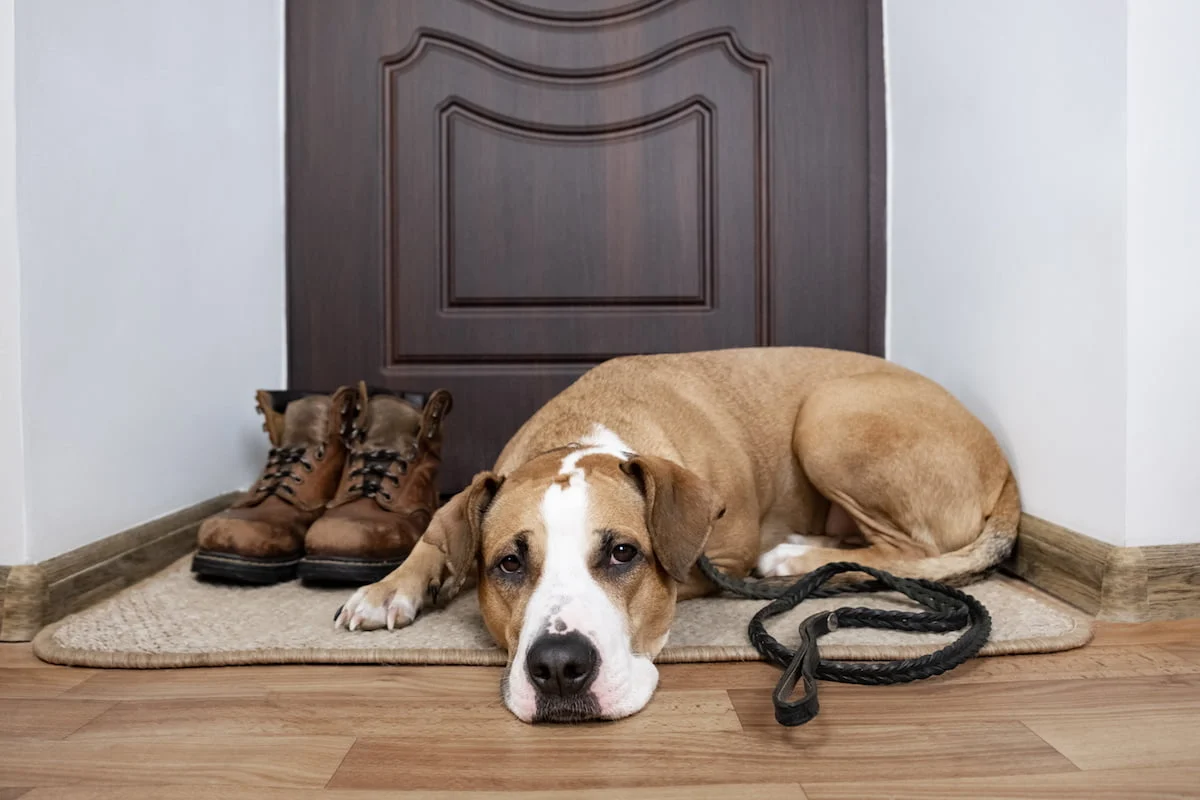
Heading out to the office after months of remote work or adjusting to a shifting weekly routine often leaves pet parents wondering how to keep their dogs happy and engaged during the day. For many households, enrolling in pet daycare seems like the ultimate solution—a place where four-legged family members can burn off excess energy and make new friends instead of waiting by the front door.
However, before making a booking, an essential question must be addressed: Will your dog enjoy daycare?
Just like people, dogs possess distinct social preferences, energy thresholds, and communication styles. While an outgoing golden retriever puppy might view an open play yard as paradise, a mature companion dog may find a crowded room of unfamiliar dogs stressful and overwhelming. Sociability is not static; it evolves naturally as dogs pass through puppyhood, adolescence, and adulthood.
At Safe Journey Dog Boarding, our supervised doggie daycare and social cage-free dog boarding programs focus on balanced, respectful pack dynamics where every dog’s individual boundaries are understood and honored.
Here is what you need to know about the canine sociability spectrum and how to determine if daycare is the ideal fit for your companion.
The Canine Sociability Spectrum: Where Does Your Dog Fall?
Professional animal behaviorists and certified trainers categorize canine social behavior into four primary profiles along a developmental spectrum. Identifying where your pup sits along this continuum helps set realistic expectations for their care:
[ Dog-Social ] ----> [ Dog-Tolerant ] ----> [ Dog-Selective ] ----> [ Dog-Aggressive ]
(Enthusiastic)         (Polite & Steady)      (Curated Friends)      (Fear/Space Reactive)
1. The Dog-Social Pup
Dog-social dogs genuinely enjoy meeting almost every dog they encounter. They have high tolerance thresholds for clumsy greetings, over-exuberant play styles, and poor canine manners.
- Typical Demographics: Nearly all young puppies start out in this category. However, retaining this high level of uninhibited sociability into full adulthood is relatively rare.
- Daycare Suitability: Dog-social dogs love group play settings. The main priority for handlers is ensuring these enthusiastic players do not overwhelm more cautious companions with relentless play invitations. Supervised daycare provides an ideal environment to guide their enthusiasm into polite, balanced play habits.
2. The Dog-Tolerant Dog
Dog-tolerant dogs represent the gold standard for mature canine companions. While they may not need to be best friends with every dog on the block, they communicate fluently, handle greetings politely, and control their excitement.
- Typical Demographics: The vast majority of well-socialized adult dogs fall into this category.
- Key Behaviors: When faced with an obnoxious or pushy dog, a dog-tolerant animal prefers de-escalation and avoidance over confrontation. If pressed, they deliver fair, measured corrections (like a soft lip-curl or subtle body turn) without escalating to aggression.
- Daycare Suitability: Dog-tolerant dogs excel in structured daycare environments. Their steady demeanor makes them wonderful role models for energetic adolescent pups learning social manners.
3. The Dog-Selective Dog
Dog-selective dogs are discerning about their social circle. They enjoy playing with dogs that share their exact play style (e.g., gentle chasers, fellow rough-and-tumble wrestlers, or dogs of similar sizes), but have low tolerance for rude, pushy, or in-your-face behaviors from unfamiliar dogs.
- Typical Demographics: As dogs reach social maturity (between 18 to 36 months of age), moving from dog-social or dog-tolerant into dog-selective is a completely natural biological progression.
- Daycare Suitability: Dog-selective dogs can succeed in daycare, but they require low-ratio environments, experienced handlers who read subtle body language, and carefully curated playgroups. In high-density, chaotic daycare settings, selective dogs quickly become hyper-vigilant and defensive.
4. The Dog-Aggressive or Reactive Dog
Dogs exhibiting aggression or intense reactivity toward other canines are rarely acting out of malice or “badness.” In the vast majority of cases, aggressive displays—such as lunging, hard barking, snarling, or snapping—are rooted in profound fear, barrier frustration, or past trauma.
- Daycare Suitability: Dog-aggressive dogs are not suitable candidates for group daycare.
- Important Warning: Never attempt to “fix” canine reactivity or dog aggression by dropping an anxious dog into a dog park or group daycare. Flooding a fearful animal with unfamiliar dogs heightens panic and increases the risk of defensive fights.
- Proper Support: Aggressive behaviors should be addressed in controlled, one-on-one sessions with a veterinary behaviorist or a certified positive-reinforcement dog trainer. Stay away from aversive equipment like prong, choke, or shock collars, which mask outward signs of stress while intensifying internal anxiety.
To learn more about reading subtle stress signals before they escalate, review the behavioral resources from the American Society for the Prevention of Cruelty to Animals (ASPCA).
Alternative Care Solutions When Group Play Isn’t the Right Fit
If your dog is selective, elderly, or simply prefers human companionship over canine packs, group daycare is not their only option:
- In-Home Companionship: Personalized dog sitting allows your dog to stay comfortable in their familiar living room, receiving direct walks, playtime, and belly rubs without navigating multi-dog interactions.
- Individualized Attention: For dogs managing medical routines, sensory processing sensitivities, or physical recovery, dedicated specialty dog care ensures their schedule is handled with gentle, one-on-one oversight.
- Comfortable Overnight Care: When you need to leave town, our home-style overnight dog boarding suites provide structured, low-stress care so your pet never feels abandoned while you travel.
The Safe Journey Approach: Comprehensive Intake Assessments
Determining whether your dog will enjoy daycare should never rely on guesswork. Reputable facilities conduct comprehensive temperament assessments before accepting new guests into group play.
At Safe Journey Dog Boarding, our evaluation process includes:
- Gradual Introductions: We introduce your dog to calm, neutral pack members one-on-one in neutral territory, monitoring body language, tail position, and stress signals.
- Play Style Matching: Dogs are placed in groups with compatible energy levels and play styles, ensuring nobody is overwhelmed or intimidated.
- Attentive Active Supervision: Our team stays inside the play yards at all times—actively reinforcing polite social boundaries, facilitating calm rest breaks, and ensuring every guest feels safe.
Match Your Dog’s Needs to the Right Care
Daycare can be a transformative experience for the right dog, offering rich socialization, mental stimulation, and an active outlet for natural energy. By honoring where your dog naturally falls along the sociability spectrum, you can choose the care environment that lets them feel truly confident, comfortable, and happy.
Have questions about our intake evaluations or playgroup structures? Browse our health requirements on our FAQ page, learn how to get started with a trial visit, or contact us today to make your pet’s reservation.